
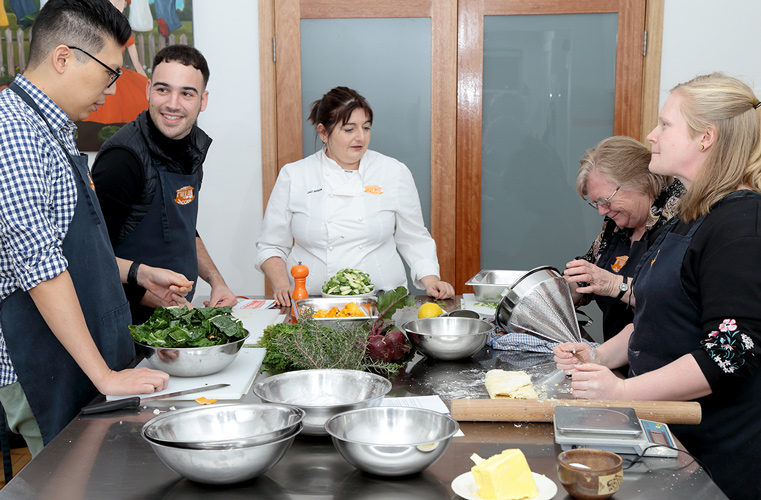
Classes are for groups of up to 6 guests for a cooking class or up to 12 guests for a Walk Amongst the Weeds meal.
There are Macaron, lolly-making, preserving classes and pastry classes on the calendar.
If there's something you would like to learn, reach out. I love using my initiative to learn and share new recipes!
Contact me (Jaci) directly at Jacican to book a date and time that suits you.
See you in the kitchen soon!



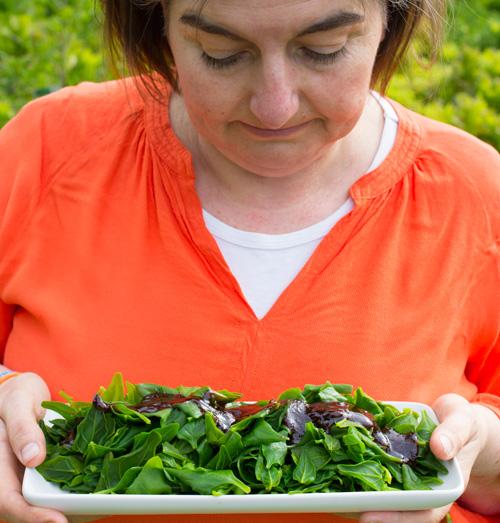
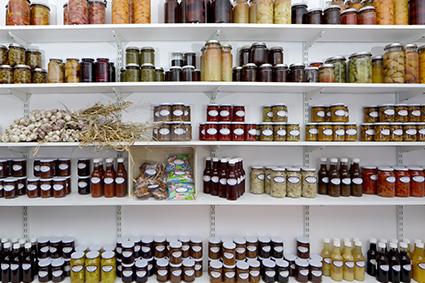
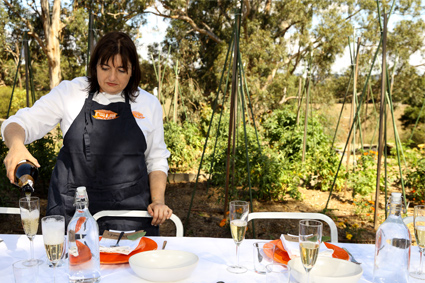
Cooking classes | Gippsland | Private Function | Harvest Lunch | Food studio | Mirboo North
In the garden - edible flowers
In the Garden, edible flowers.
October is traditionally the month of the year that the vegetable garden is at its leanest. The season is between slow-growing winter vegetables going to seed and the yet to be warm enough to plant out the summer crops.
I’ve been thinking about this and how I ‘think’ that there’s not much in my kitchen garden. The only thing is I forget that I pick and cook something out of it every day.
I thought I would start writing down a list each month of what I’m eating from the kitchen garden, focusing on one type of edible plant. Even though October is a little lean, by way of vegetables, there is one plant that I have more than enough of … flowers.
October is the middle of spring and spring means a lot of flowers. Because I like to use everything in the kitchen garden, I’ve planted a lot of edible and companion flowering plants over the years.
The Flowers
You can walk around the garden and snack on any of these flowers, this October …
|
|
Apple geraniumI would really snack on this one, as it doesn't really have any flavour. It would go wonderfully in a dry flower thing and it a great companion plant for the kitchen garden. |
|
|
|
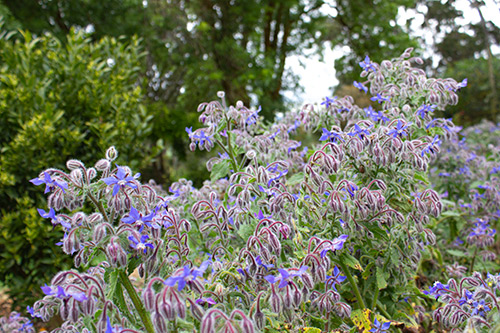
BorageI never planted the borage. It just moved in from the neighbours. Now it's all through the kitchen garden. The flowers are rumored to taste like oysters, but I think they just taste like green! |
|
|
|
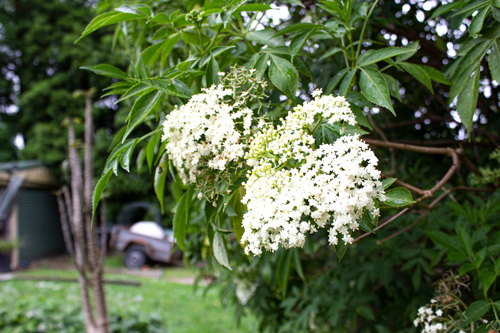
ElderflowerPick a large bucket of it. Ferment with lemons and oranges, cover with water for 5 days. Strain and measure how much liquid you have. Add a third of the volume of sugar. Stir to dissolve. Bottle and save for later. Now you have Elderflower cordial. |
|
|
|
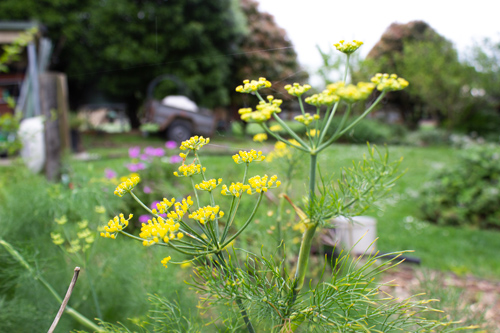
Fennel seedFor a while, I couldn't get fennel to set in the kitchen garden. I brought some from the plant person at the farmers market. She said that if I planted it out and let it go to seed, I'll have fennel forever. For the time being this means that I have a lot of lovely seed and pollen to use in salads, cakes, desserts or with pasta. |
|
|
|
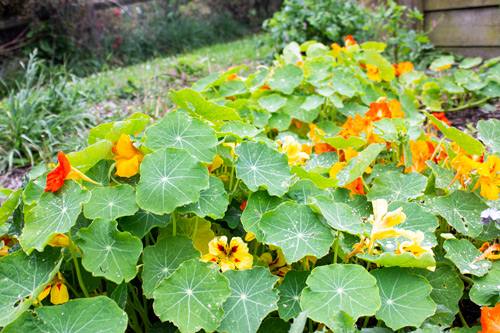
NasturtiumsAnother plant that I struggled to grow in the first few years at Jacican. Now it grows like a weed (and I pull it out like a weed) You can eat the mustard flavoured leaves and flowers. great in a salad. I think back in the day, they where eaten in white bread as a sandwich! |
|
|
|
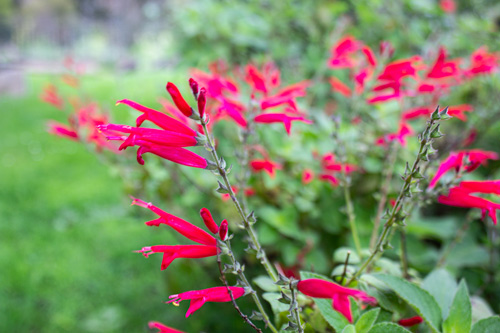
Pineapple sageUse a lot on those competition cooking shows. In my kitchen garden, it grows by itself. Loves a hard prune. You can just pull the sweet flowers off and eat like a lolly. I like to bake them into a vanilla butter cake for something a little fancy. |
|
|
|
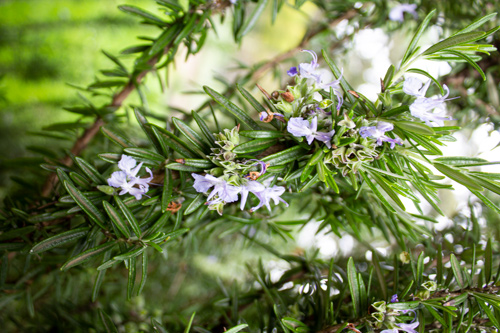
RosemaryLovely with lamb, you can use the cakes in cakes for a savoury flavoured dessert. Sprinkled on top of ice cream for something a little different. |
|
|
|
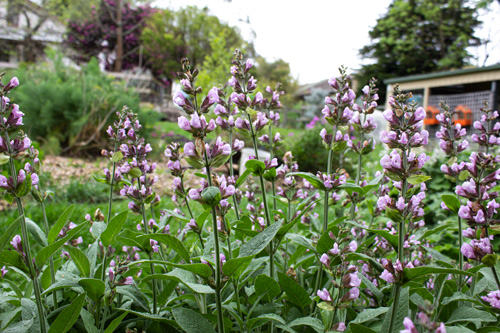
Sageit's everywhere in my kitchen garden. And what lovely flowers. I seem to add sage to many things. The flowers are great in salads or served as a garnish with beef. |
|
|
|
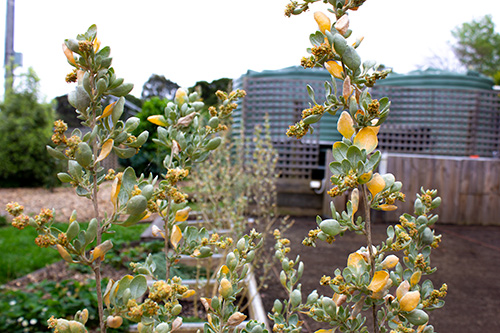
SaltbushAn Australian native that grows in dry coastal area. In dry times it is feed to sheep or these days, so they can charge more. I cook the leaves under lamb for a very salty jus. You can use the flowers just like salt. But they come with a warning ... they are very very salty. |
|
|
|
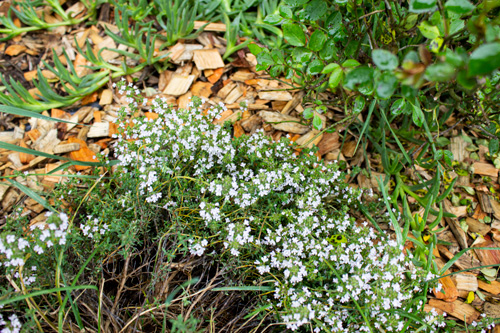
ThymeThyme, thyme, thyme .. what's become of me! Bake these tiny flowers into a vanilla cake or flavour ice-cream |

Now for everything else I have to eat out the kitchen garden, this October ...
The vegetables
Vegetables that are coming out of the Jacican kitchen garden this October are …
Rhubarb
Very young potatoes
Horseradish
Young garlic (you use it like spring onions)
Last year’s shallots
Cauliflower
Cabbage
Brussel sprouts
The greens
Green leafy plants that grow pretty much by themselves in the Jacican kitchen garden and you can eat this October …
Sorrell
Warragul greens
Kale
Silverbeet
The herbs
Never by herbs from a shop when you’ve got these growing in the kitchen garden this October ...
Parsley … so much parley
All the thymes you can think off
Lemon & lime balm
So much mint and in 5 or more flavours
Acknowledgment of country
Hello, I’m Jaci Hicken, from the lands of the Brataualung clan, which is where I’ve spent most of my life.
I would like to acknowledge all of us here today to cook together and share a meal.
I love sharing my dream of growing the food this country has to offer and share it with you.
The traditional place that we come together today is on the lands Gunaikurnai people
And I’d like to pay my respects to our elders past, present, emerging leaders, along with all the young people in our community.