
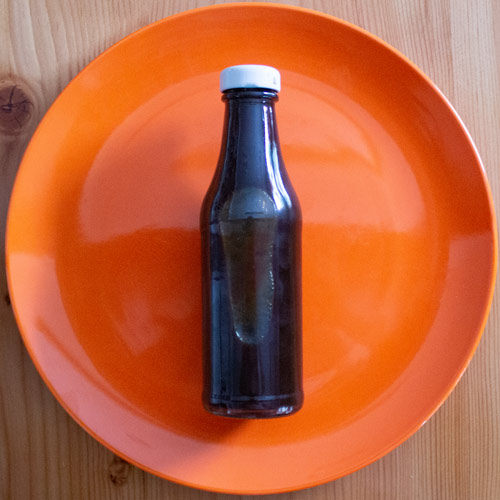
This recipe is from Olive Scott.
It was given to me by Jannette Langely when bringing her granddaughter to a Jacican kid's cooking class.
I have changed it from imperial and metric and use whole spices, crushed where I can.
This recipe is a vegetarian version of a Worcestershire sauce (but we can’t call it Worcestershire because we don’t live in Worcester).
Plum Hot Sauce Recipe
Ingredients
- 1.8 kilograms of plums
- 1.2 kilograms of treacle
- 28 grams of pepper, ground - you can use whole and crush
- 14 grams of ginger, ground
- 30 grams of salt
- 900 grams of brown sugar
- 3.3 kilograms of vinegar
- 28 grams of allspice - you can use whole and crush
- 7 grams of cayenne pepper
- 110 grams of garlic, crushed
Method
- Wash plums. Cut the plums in half and remove the stone. Place plum in a large preserving pan.
- Put the rest of the ingredients in the pan with the plums. Bring to a boil over medium heat, stirring to prevent sticking.
- Boil for 1 hour or until the sauce thickens to the consistency you like.
- Bottle and seal.
This is one of the recipes we make in Jacican preserving cooking class.
I love tomato season, and you get to make your year's supply of chutneys and sauces.
I usually make 10x of this recipe at once - you will just need a bigger pot.
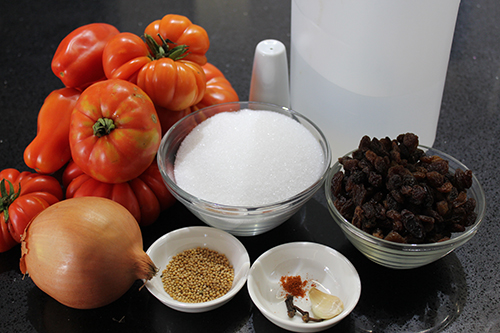
Ingredients
- 1 kg red tomatoes - peeled and chopped
- 1 brown onion - peeled and diced
- 1 clove garlic - peeled and chopped
- 330 ml vinegar
- 160 grams of sultanas
- 4 cloves
- pinch (small) cayenne
- 1/2 TB salt
- 200 grams of sugar
Method
Put all ingredients - EXCEPT SUGAR -in a large saucepan.
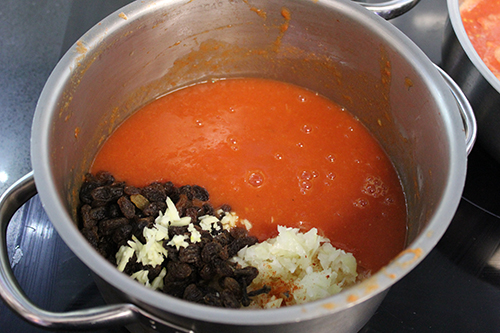
Heat over medium heat, stirring until boiling. Cook until mixer thickens, about 1 and 1/2 hr hours.
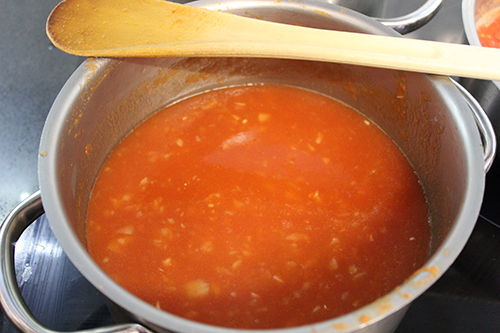
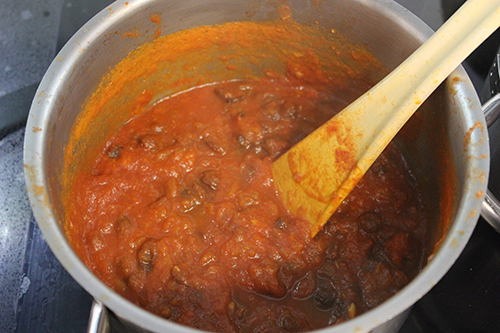
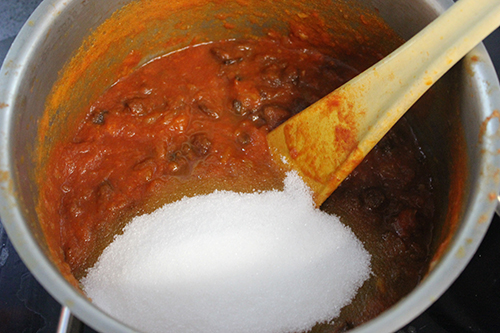
Remove from heat. Add sugar, return to heat, stirring until boiling. Cook a further 1 and 1/2 hours until the mixer does not separate. Stir frequently.
Bottle and seal in hot sterilized jars
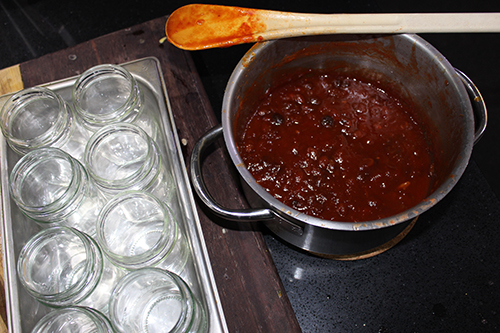
This recipe should make 5 x 250ml jars of chutney.
This is one of the recipes you will learn to make in a Jacican preserving cooking class, depending on seasonality and availability of produce.
Each preserving class changes depending on what is available in the Jacican kitchen garden.
The best time to visit Jacican to learn to preserve tomatoes is from February to May each year.
To book into a Jacican Preserving class, follow the link here.
In 2023, Jacican is holding a one-off Tomato preserving class where you will learn how to preserve tomatoes in six different ways. Tomato Preserving can be booked through One Hour Out.

On the Jacican cook group, you asked for my Tomato sauce recipe.
Here is it …
Tomato sauce
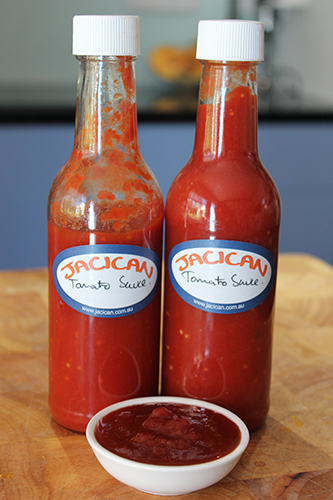
This recipe uses 1 kilogram of fresh tomatoes. You can expand this recipe to the weight of tomatoes you have to cook. I would usually do 10 kg at a time.
Recipe
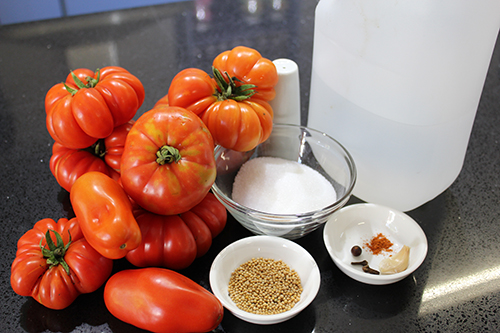
Ingredients
1 kg Red Tomatoes - roughly chopped
1 clove of garlic
1 whole allspice
5-gram yellow mustard seeds
2 whole cloves
pinch (small one) cayenne
120 ml vinegar
6-gram salt
75-gram sugar
Method
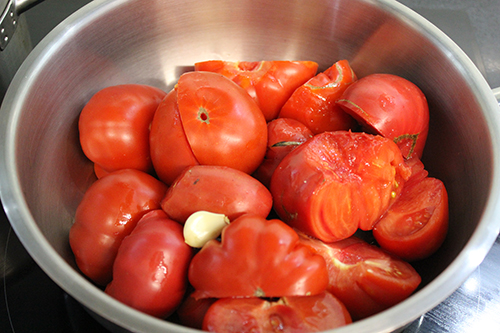
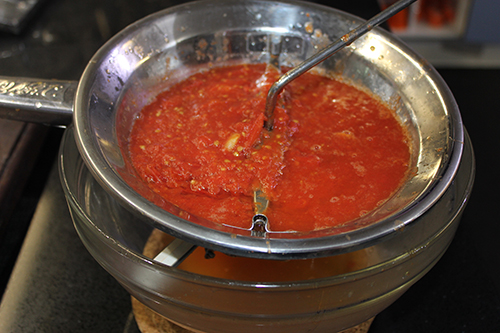
Cook tomato and garlic until well pulped. Put through mouli to break down to a fine pulp and remove the skin and seeds. Rinse out the pan and return the pulp to it.
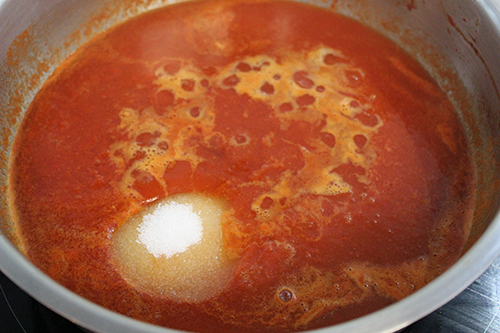
Tie spices in a muslin bag and add to tomatoes along with cayenne, vinegar, salt, and sugar. Cook until it does not separate anymore. Approximately 1 and 1/2 hours. Strain to remove spices.
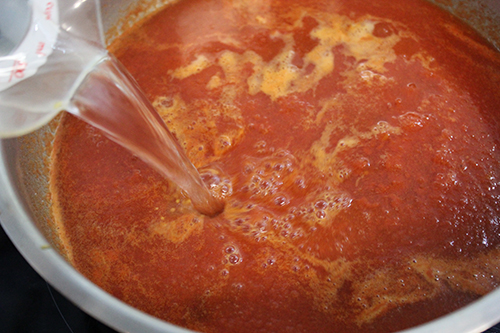
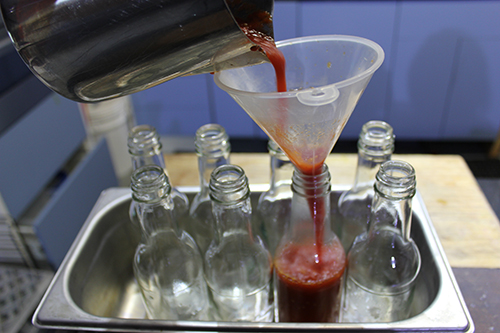
Bottle and seal in hot sterilised bottles
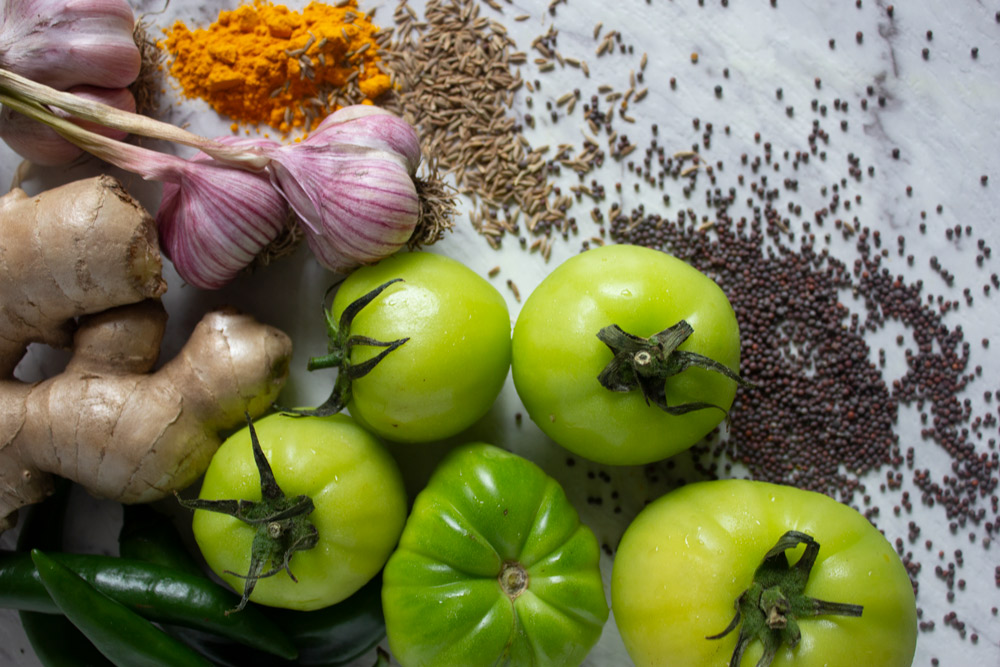
I use green tomatoes to make my kasoundi a little bit different.
For this recipe, I grow my own green tomatoes and use the green tomato you end up with at the end of the season.
You will need to grow green tomatoes yourself, or if you know a commercial tomato grower (one who sells from the farm gate), you might be able to buy some green tomatoes to use in this recipe.
You can make Kasoundi with red tomatoes if you like, but I offer no guarantees that the recipe will work as I have only ever used green.
Recipe
Ingredients
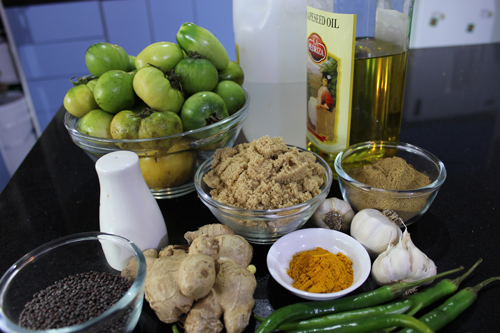
- 125 grams fresh ginger peeled and chopped
- 65 grams garlic, peeled and chopped
- 30 grams green chillies, deseeded and chopped
- 25 ml vinegar
- 125 ml vegetable oil (I use grapeseed)
- 45 grams Black Mustard Seeds
- 15 grams Turmeric
- 45 grams Cumin
- 1 kg Green Tomatoes, peeled and chopped
- 250 ml vinegar, extra
- 125 grams brown sugar
- 25 grams salt
Method
Clean and roughly chop the tomatoes. Place in a saucepan and cook down until soft enough to run through the mouli. Puree and set aside.
Mince ginger, garlic and chillies with 25 ml of vinegar in the food processor to make a paste
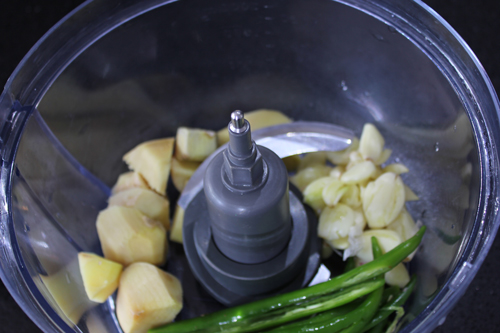
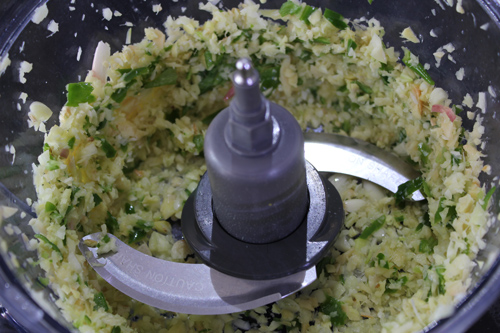
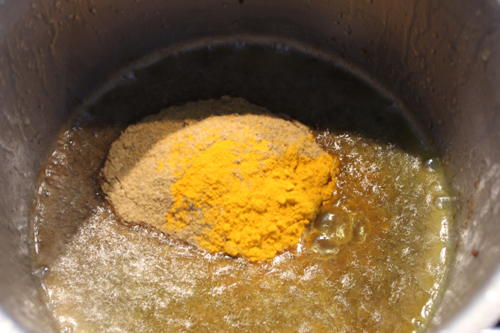
Heat oil until very hot in a heavy-based pan, then cook off mustard seeds, turmeric and cumin, until aromas lift off the pan. Add ginger paste and cook for a further 5 minutes.
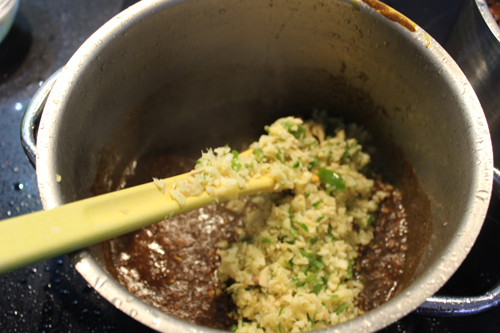
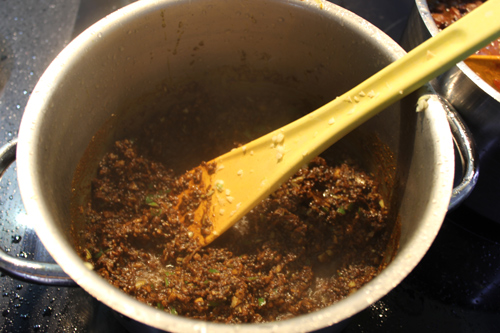
Add tomatoes, 250ml extra vinegar, sugar and salt, then simmer until the oil floats to the top. This took about ½ an hour for this quantity.
Bottle and seal in hot sterilized jars
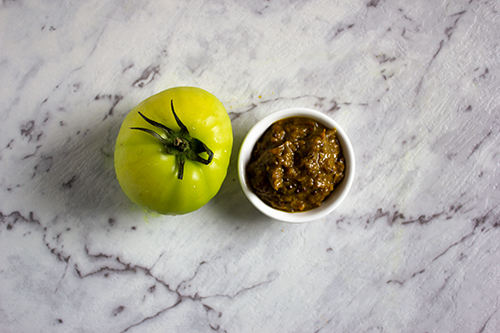
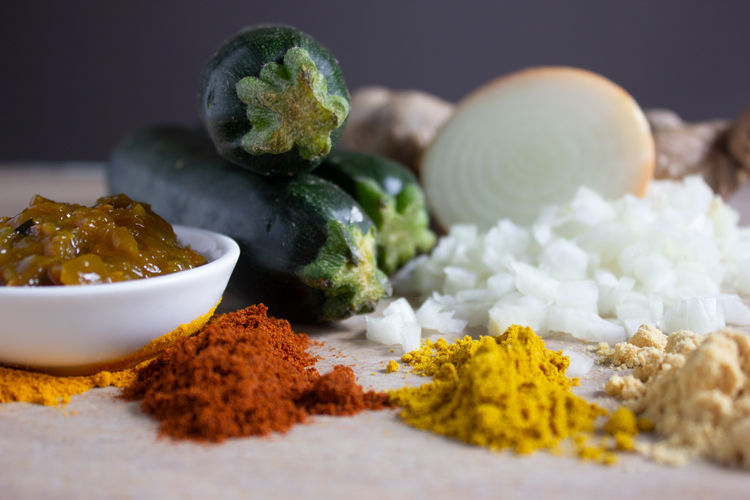
Curried Zucchini Relish
This has always been one of my best sellers when guests come to visit.
It could have something to do with that it is fantastic whipped into a 250-gram packet of cream cheese to make a corn relish style dip!
If zucchinis are in season, we may make Curried Zucchini relish in a Jacican preserving cooking class.
Recipe
Ingredients
-
- 1 kg zucchini - 1 cm dice
- 500 grams onion, peeled and chopped
- 70 grams salt
- 570 ml vinegar
- 320 grams brown sugar
- 70 grams arrowroot
- 10 grams turmeric
- 10 grams mustard powder
- 10 grams curry powder
- 5 grams ground ginger
- 5 grams paprika - mild
- 150 ml vinegar, extra
Method
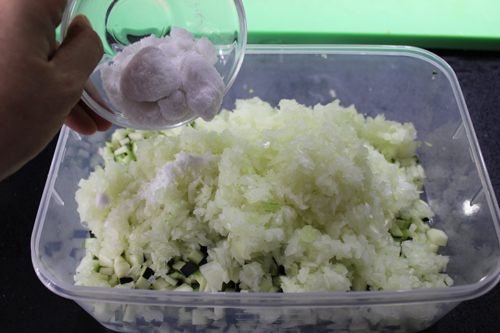
Dice zucchini, chop the onion and combine in a non-corrosive bowl. I use a large plastic bucket that fits in the fridge.
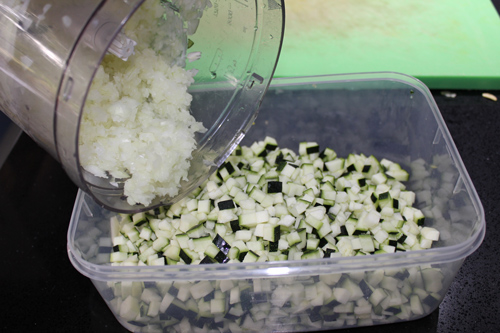
Sprinkle with salt, cover with tap water and leave in the fridge overnight.
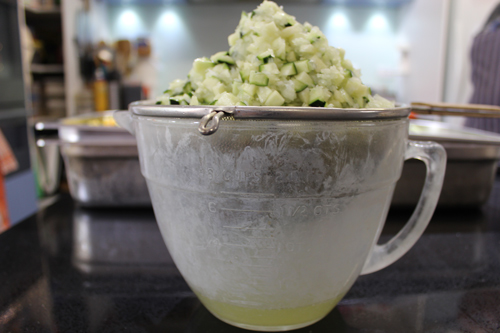
The next day drain very well.
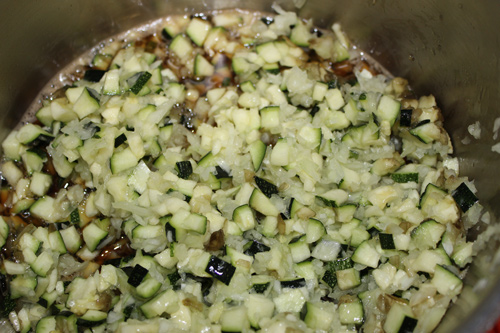
Place vinegar in a large pan with sugar, heat, stirring until sugar has dissolved. Bring to boil. Add zucchini and onion.
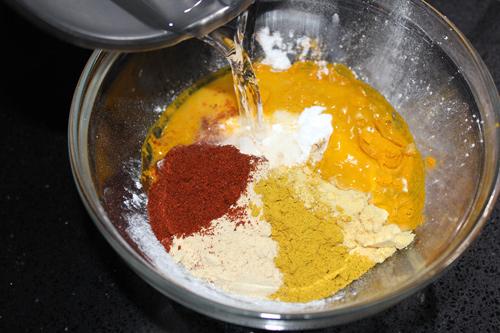
Mix arrowroot with spices and extra vinegar to form a paste.
Add the paste to zucchini. Return to the boil. Boil 10 minutes.
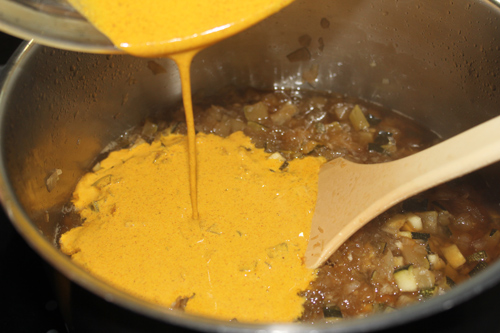
Bottle and seal in hot sterilized jars.
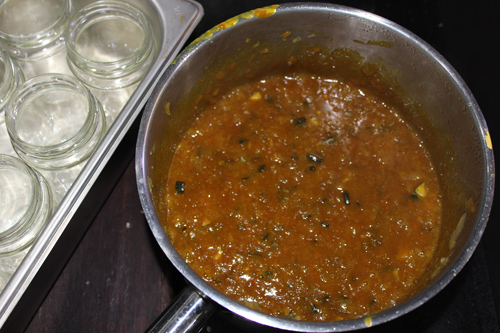
You should have six and a half 250 mls jars of Curried Zucchini Relish from this recipe.
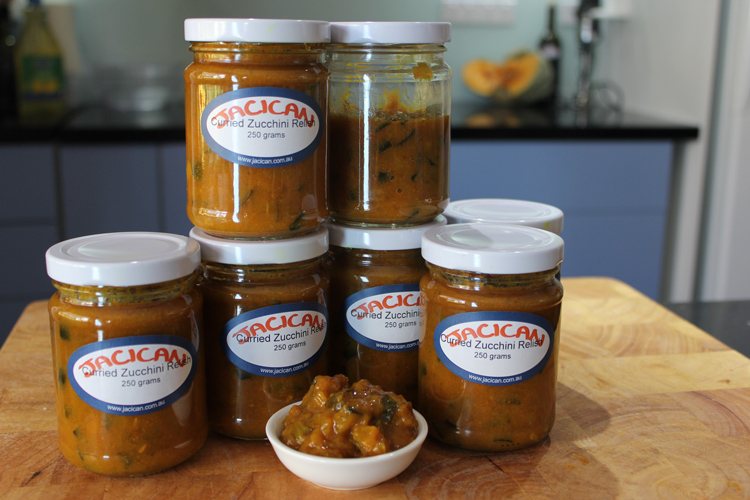
See you in the kitchen soon!
PS: If you would like me to teach you how to make Curried Zucchini Relish, come along to a Jacican preserving cooking class.
Acknowledgment of country
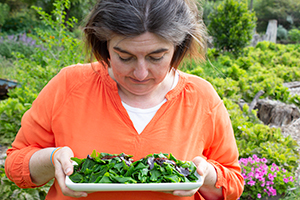
Hello, I’m Jaci Hicken, from the lands of the Brataualung clan, which is where I’ve spent most of my life.
I would like to acknowledge all of us here today to cook together and share a meal.
I love sharing my dream of growing the food this country has to offer and share it with you.
The traditional place that we come together today is on the lands Gunaikurnai people
And I’d like to pay my respects to our elders past, present, emerging leaders, along with all the young people in our community.