
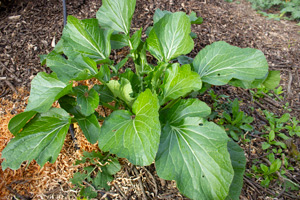
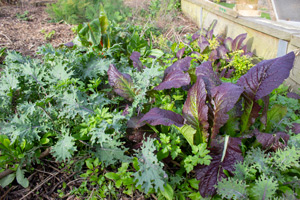
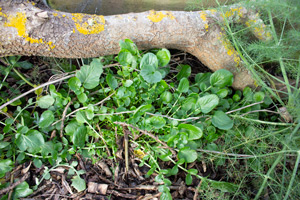
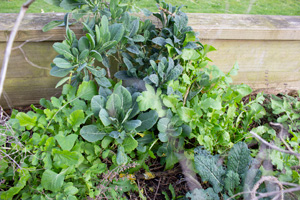
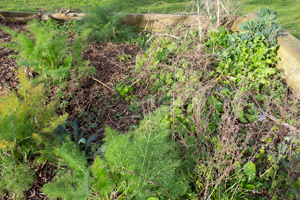
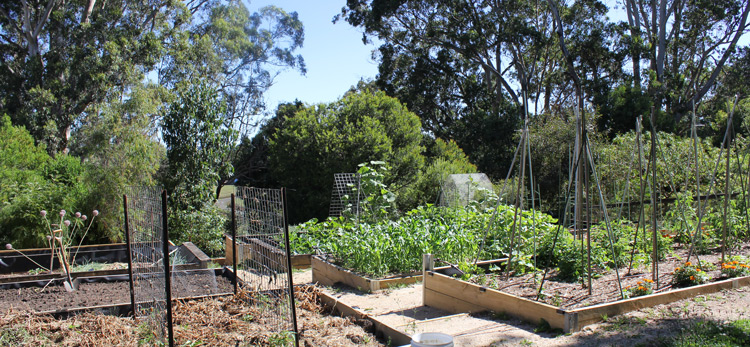
In January the vegetable garden at Jacican is looking wonderful, but maybe a little light on produce.
Everythings growing, but there's not much to harvest yet!
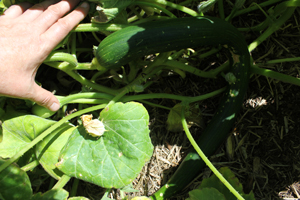
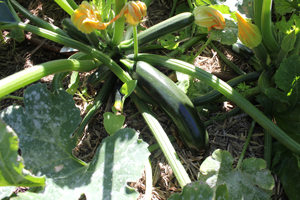
But there is one thing in abundance, zucchini!
Zucchini, zucchini, zucchini!
Pretty soon there will be tomatoes, cucumbers, pumpkins, all the roots, corn, sunflowers
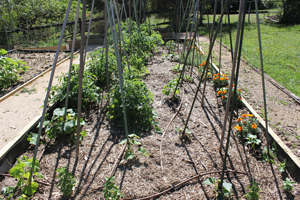
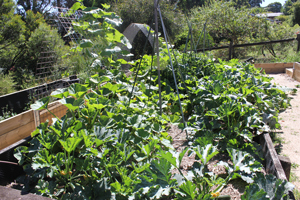
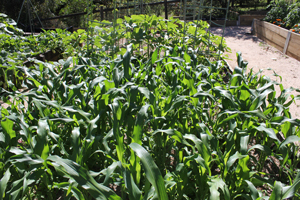
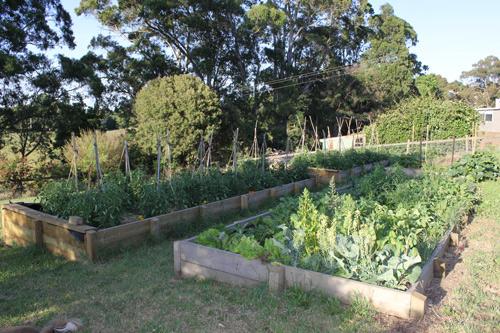
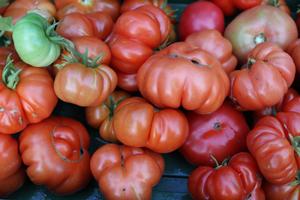
Each year I grow a year’s supply of tomatoes in the kitchen garden. Usually, it’s three beds each holding 36 plants. After losses, I end up with about 100 tomato plants. All of them have different colours, shapes and sizes.
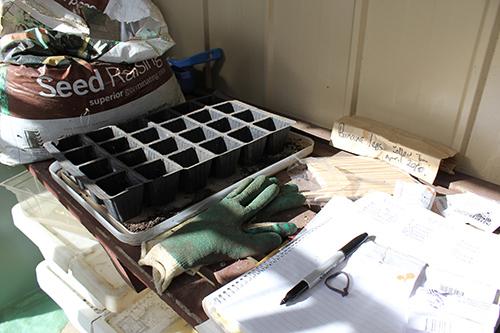
All the tomatoes I grow, I grow from seed. I start tomato season in July, reviewing my collection of seeds, hunting out new ones to try, purchasing fresh seed. If you don’t get your seeds early, you rush when it’s time for planting
Sometimes around the middle of August, I spend an hour or two planting out the seeds in the glasshouse.
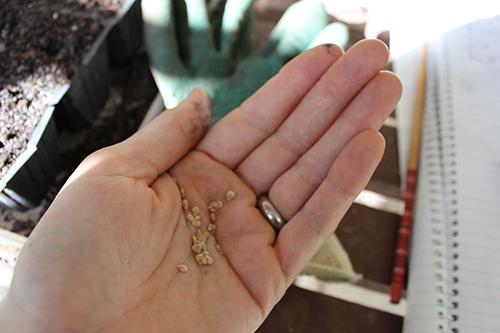
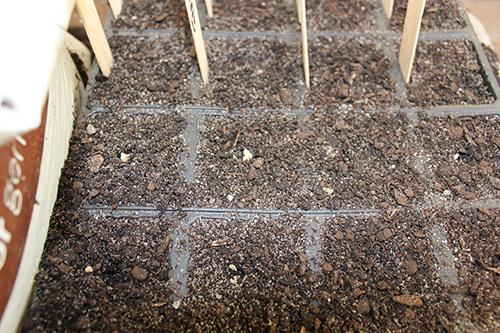
I use a 4 cm square seed raising trays that hold 24 plants. I’m a little bit lazy, so I buy fresh seed raising mix from the Mirboo North nursey. I fill each square with seed raising mix and poke a hole in the mix with a skewer. I then place a couple of seeds in the hole and push back over the dirt.
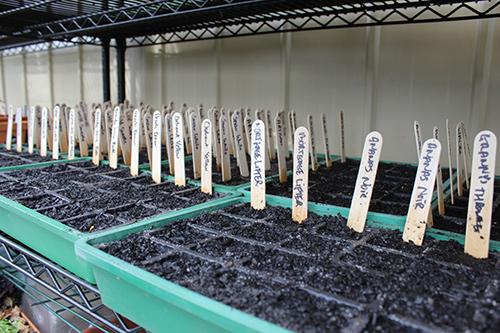
Now the most important thing … remember to label. Each tomato gets an ice pole stick, with a handwritten label. I use Ice pole sticks, as they last a season, then break down into the soil.
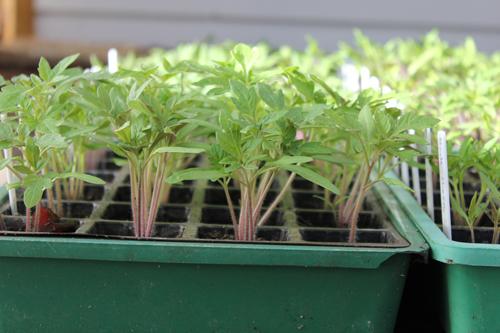
Now water and wait. In about 4 months I’ll have tomatoes.

PS: You can only harvest your own tomatoes at Jacican, as a guest in a Harvest Lunch, when tomatoes are in season. This is usually between February and early May.
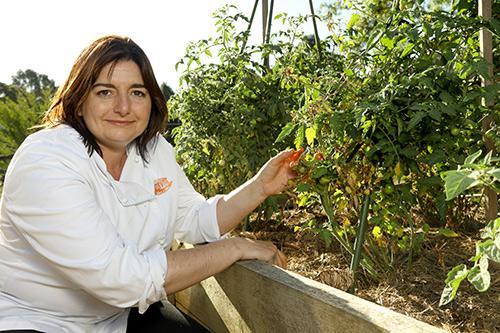
I don’t really like store brought tomatoes. They can be a little bland so I avoided buying them.
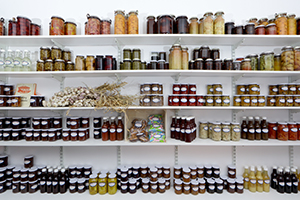
This has led me to grow my own. Each year I grow a year supply of tomatoes. The catch is I only have fresh ones when it is the season. The rest are bottled in the Vacola and turned into sauce or chutney.
Each year, I look forward to the summer when we can start sharing fresh tomatoes with you. Once they start to fruit – there are about 100 plants in my kitchen garden each year, all the colours, shapes and sizes I am happy to share. Often guests go home with a bag of fresh fruit for later!
Varieties I have grown in the past include Jaune Flamme, Brown cherry, green Zebra, Green grape, Amish paste, Italian Flat Roma.
What varieties will you find this year?
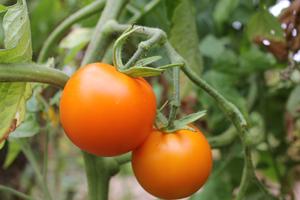
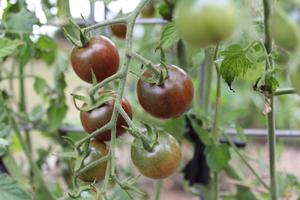
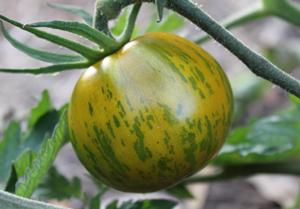
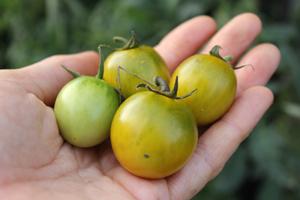
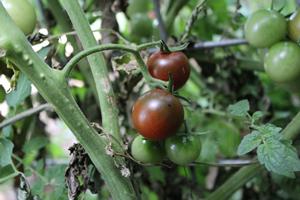
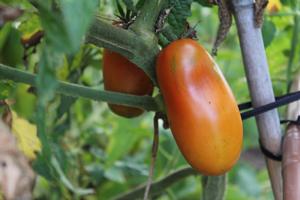
PS: You can only harvest your own tomatoes at Jacican, as a guest in a Harvest Lunch, when tomatoes are in season. This is usually between February and early May.
A few people ask me what seeds we should plant now because there are lots of people out there that haven't gardened before.
As you can see, I've gardened before.
You can pick these up from any of your normal hardware shops Mr. Fothergills, Radish, broccoli and bok choy (pak choi), are my recommendations to start with.
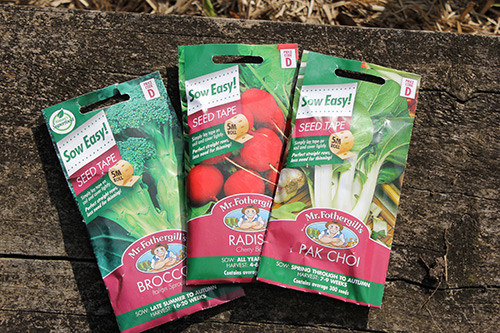
I’m going plant bok choy seeds in the garden, and I'll show you how you do it.
It's really, really, really easy.
In the packet, you get a roll of seed tape, two lengths of 2.5 metres.
In a normal household, you would plant 1 metre at a time, which means you got to have five months’ worth of seeds, one meter at a time, once a month for five months.
What we do is scraped back some mulch, throw the ball for the dog in between.
Rough up the top of the soil, it doesn’t need to be very deep, and lay in the seed tape and sprinkle back over the dirt or you could use a little potting mix
That's it, you've planted some bok choy
Bok choy will grow the fastest, it maybe will only take 4 to 6 weeks before you are harvesting your own.
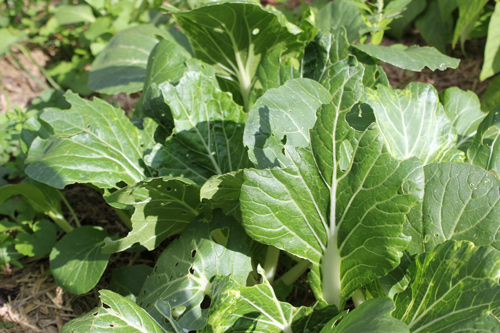
It will depend on how warm the weather stays.
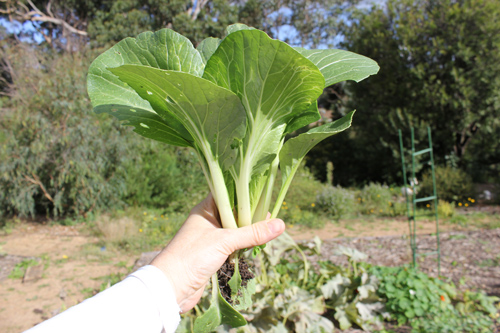
This is what you will end up with after about 4 weeks, bok choy ready to eat!
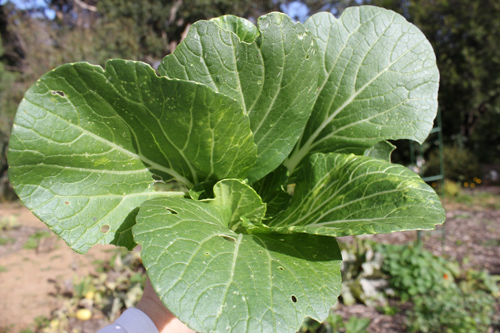
Subcategories
Acknowledgment of country
Hello, I’m Jaci Hicken, from the lands of the Brataualung clan, which is where I’ve spent most of my life.
I would like to acknowledge all of us here today to cook together and share a meal.
I love sharing my dream of growing the food this country has to offer and share it with you.
The traditional place that we come together today is on the lands Gunaikurnai people
And I’d like to pay my respects to our elders past, present, emerging leaders, along with all the young people in our community.